
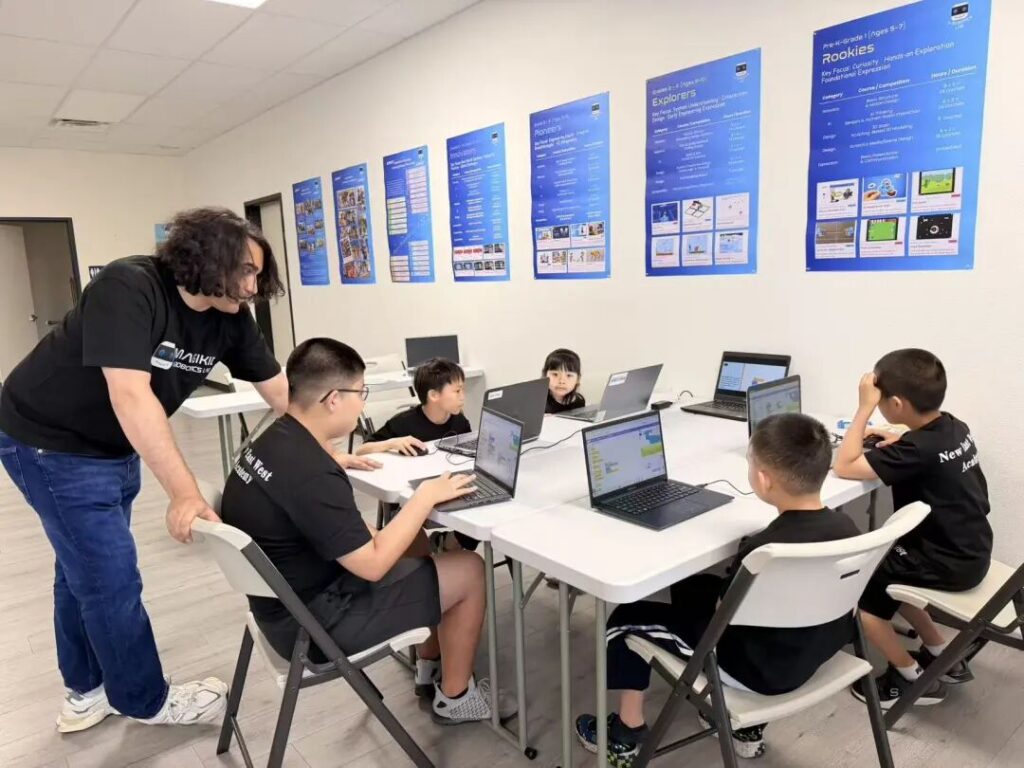
Magikid AI Robotics Summer Camp — Week 1 in Action
This summer, New East West Academy launched its Magikid AI Robotics program for the very first time in Las Vegas. Our 10-week summer camp officially kicked off on May 25th! Week 1’s theme is Intelligent Life: Turning Animals into Robots! Starting with the familiar wonders of nature, we guide children to first understand how animals move, and then replicate those movements to build robots. Through this hands-on process, kids gain a deep, intuitive understanding of mechanical principles. Plus, they get to dive into some simple coding!
Let’s take a look at the kids’ joyful journey!
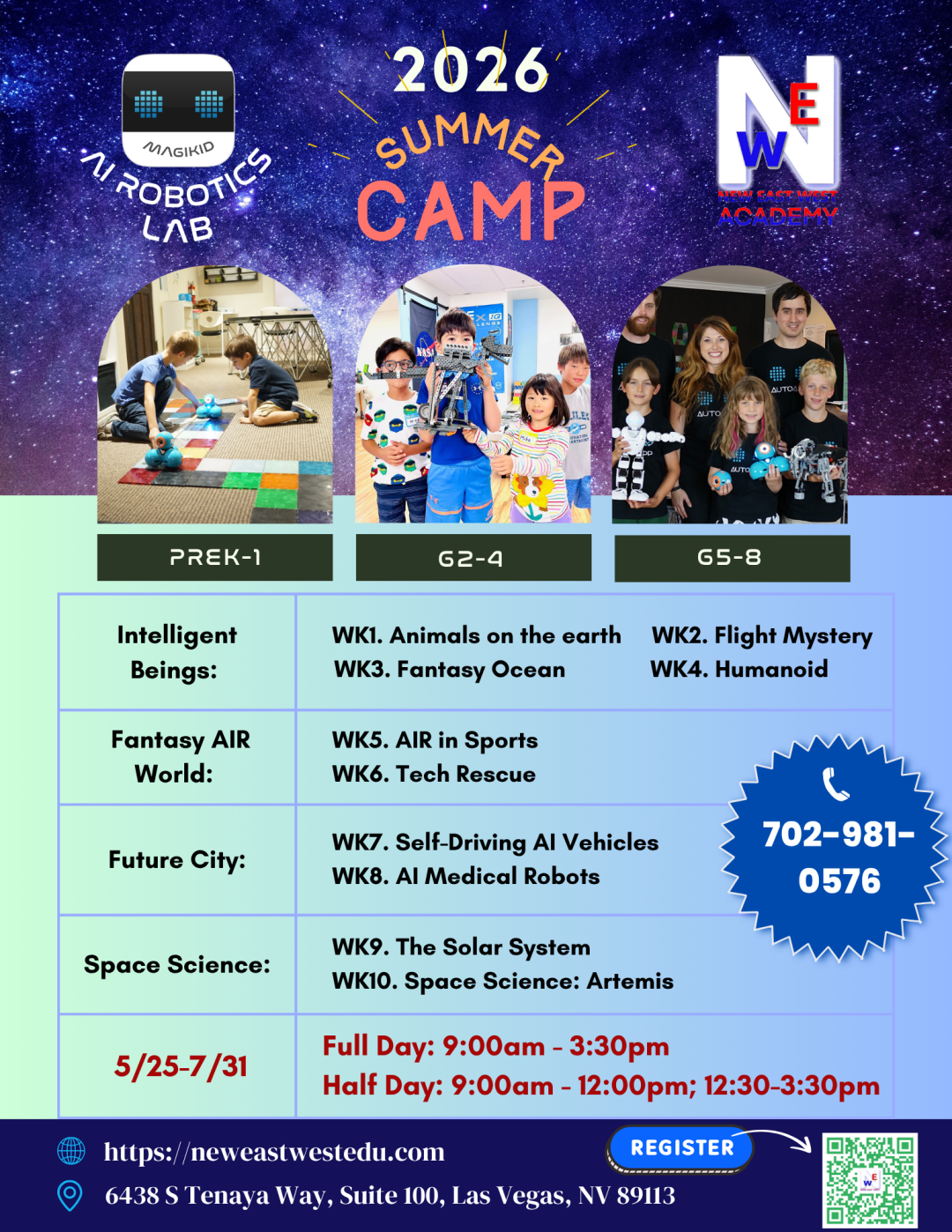
🎯 DAY 1: The Micro-World — The Tech Transformation of Smart Snails
Tailored to the cognitive development of all age groups, we’ve divided the nature theme into three specialized teaching levels. Here is a glimpse of the kids’ exciting tech journey on Day 1:
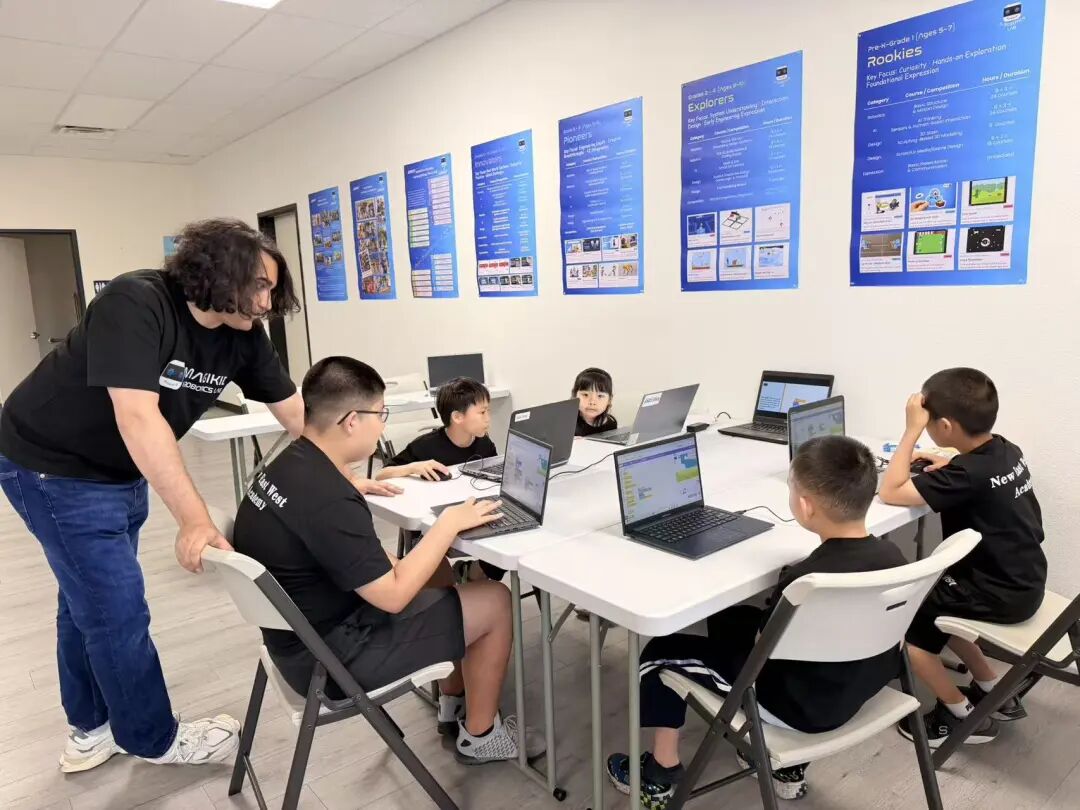
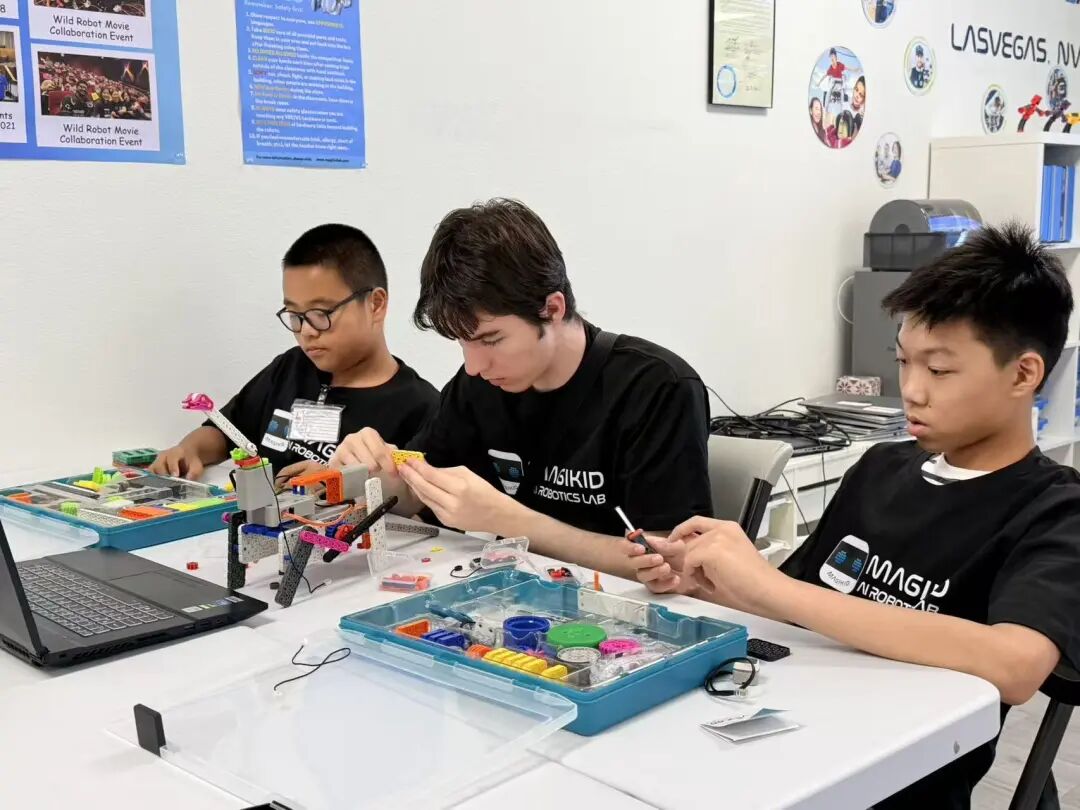
🟢 LEVEL 1: PreK – Grade 1
[Focus Areas] Scientific Observation, Hands-on Building, Dynamic Logic, Cutting-edge AI Experience
Here, the natural curiosity of younger children is channeled into structured scientific logic. They learn a vast range of topics—from “2D cognition” to “3D space,” and finally to “AI cross-disciplinary design”:
- Step 1 | Scientific Exploration — Step into the micro-world of nature to explore the anatomy and survival strategies of snails, completing their very first life science enlightenment class.
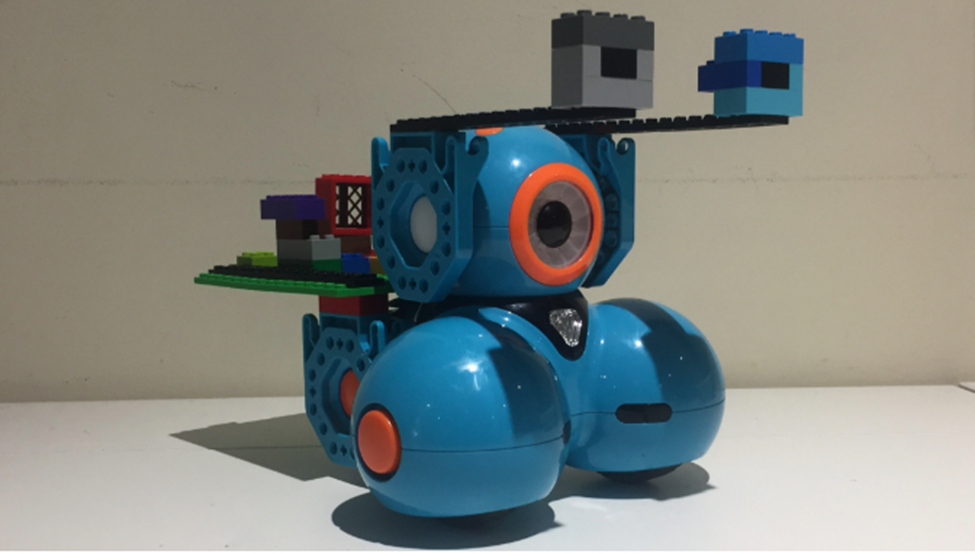
- Step 2 | Robotics Programming — Use LEGO bricks to creatively build a “snail shell” for the Dash robot, and utilize graphical programming (Wonder app) to teach this smart snail how to perceive its environment and cleverly dodge obstacles.
- Step 3 | AI Creative Adventure — Step into the shoes of an “AI Designer” for the first time! Learn to use cutting-edge AI tools like ChatGPT by inputting descriptive prompts to design an imaginative, futuristic new home for the snail.
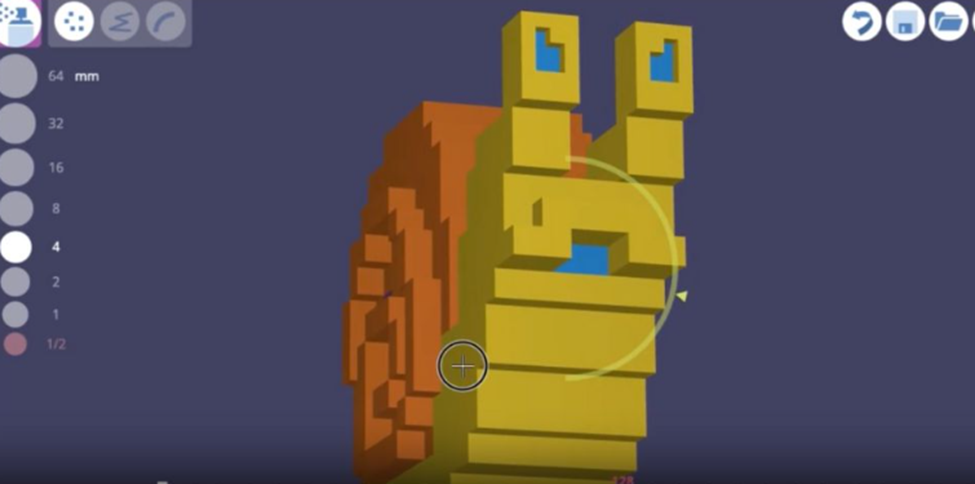
- Step 4 | 3D Spatial Creation — Using the 3Dslash digital modeling tool on iPads, kids transform 2D line-thinking into 3D spatial awareness, manually sculpting their own 3D snail.
- Step 5 | Classic Kids Programming — Use ScratchJr for an introduction to coding. By cloning characters and applying movement loops and speech blocks, they bring a static snail to “life” right on the screen!
🔵 LEVEL 2: Grades 2 – 4
[Skill Development] Critical Expression, Engineering Logic, Cross-disciplinary Art, Industry-level 3D Modeling
Children at this stage enter an advanced phase of “Design and Technology Integration,” perfectly blending biology, literature, and rigorous engineering:
- Step 1 | Science & Narrative — Delve deeply into the biological traits of snails and use them as inspiration for creative writing, crafting a story about a “Snail’s Search for a Home.”
- Step 2 | Hardware Engineering & Advanced Programming — Armed with iPads and the Blockly App, kids use magnetic tiles and LEGOs to perform complex hardware modifications on the Dash robot, coding more advanced obstacle-avoidance and path-planning algorithms.
- Step 3 | AI Architectural Adventure — Log into the frontier of tech and use ChatGPT to spark a collision between technology and art, designing the snail’s shell as a miniature castle!
- Step 4 | Tinkercad 3D Modeling — Using computers and mice, kids log into Tinkercad, an industry-standard modeling software for children, independently completing the modeling of a 3D snail.
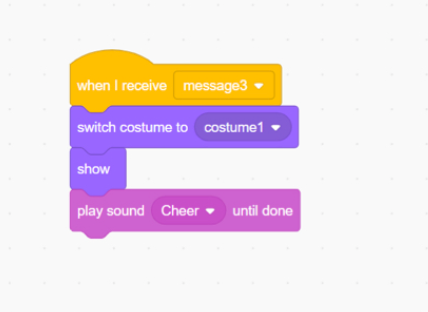
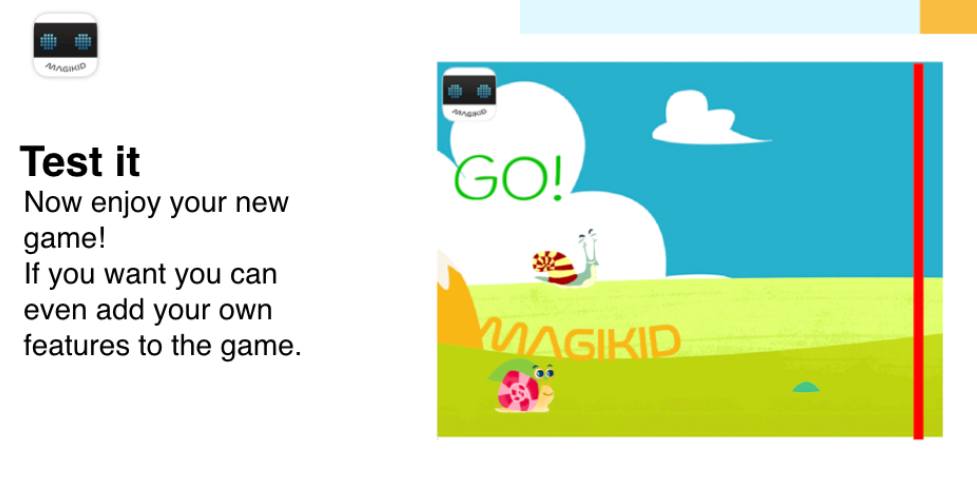
- Step 5 | Scratch Game Development — Independently use Scratch graphical programming to create a complete, fun “Snail Race” game, mastering high-level programming logic including conditional statements, variables, and coordinates.
🟣 LEVEL 3: Grades 5 – 8
[Skill Development] Academic Research Skills, Industrial-grade Robot Assembly, Advanced AI Application, Python Coding
For older students, we move past artistic entertainment and dive straight into academic research and authentic artificial intelligence/coding (Python), cultivating hardcore tech talents that prepare them to lead the future.
- Step 1 | Hardcore Academic Research — Just like real scientists, students conduct a 30-minute independent or group research project focusing on the snail’s habitat distribution, physiological traits, and dietary habits, presenting their findings with Google Docs, Slides, or Canva.
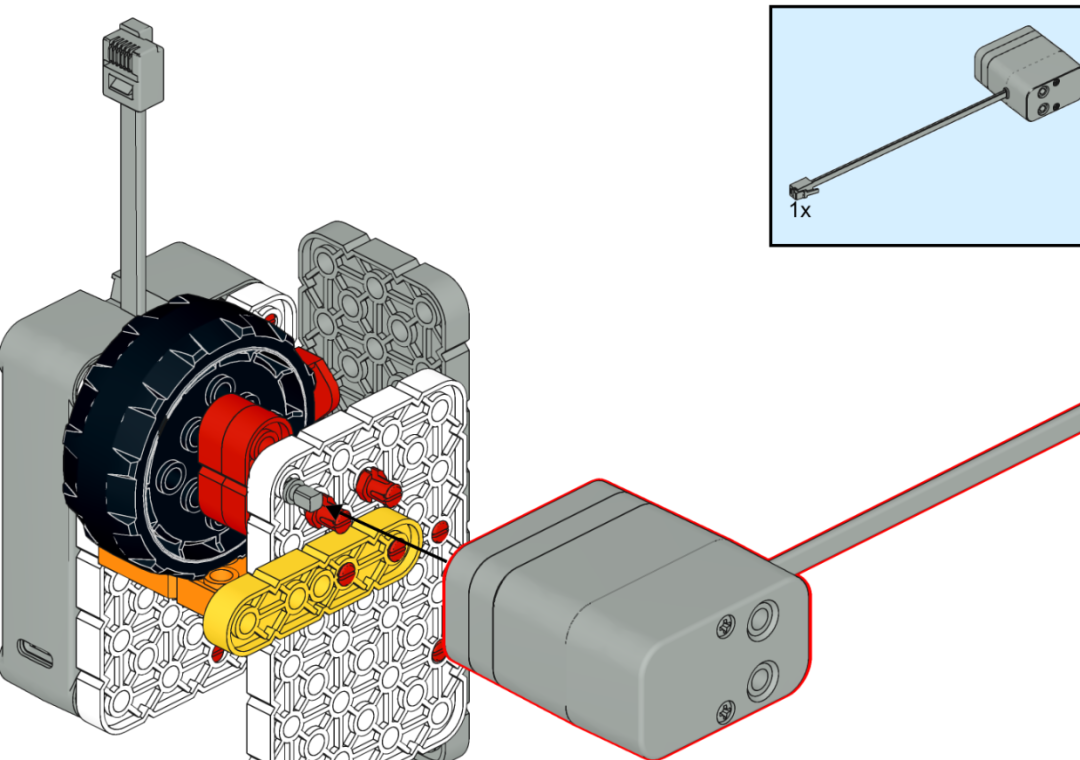
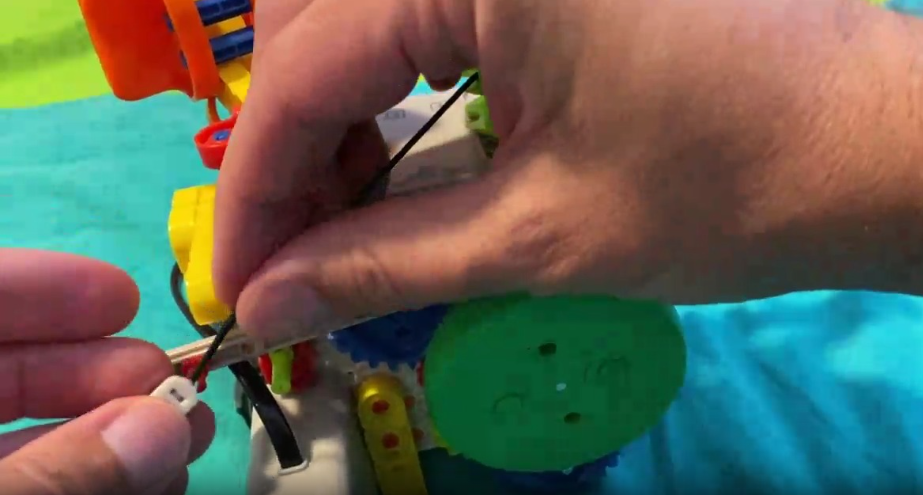
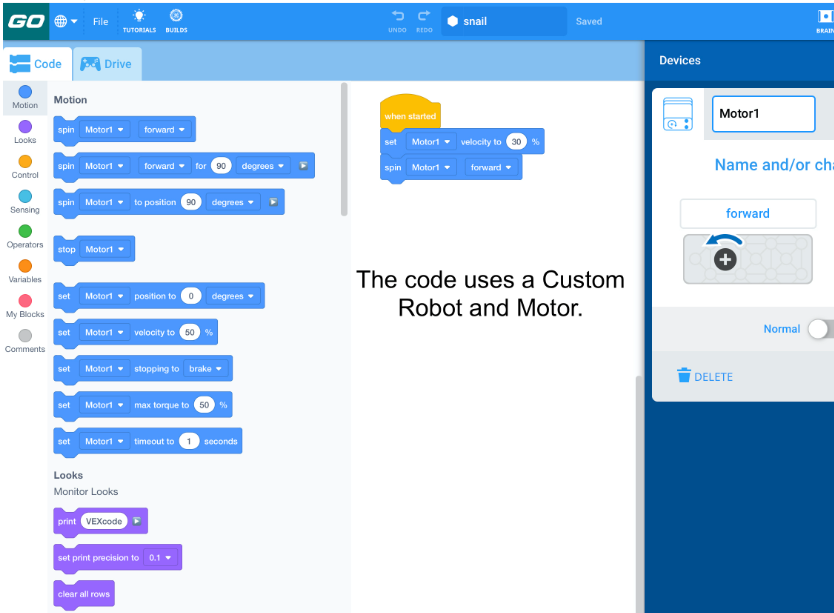
- Step 2 | VEX GO Robotics Engineering — Introducing the world-class VEX GO robotics kit, combined with the industrial-grade digital building software BrickLink Studio, students build and calibrate a high-performance mechanical robot snail from scratch.
- Step 3 | Advanced AI Collaborative Creation — Deeply engage with AI productivity tools like ChatGPT to explore Prompt Engineering to assist in complex biomimetic design.
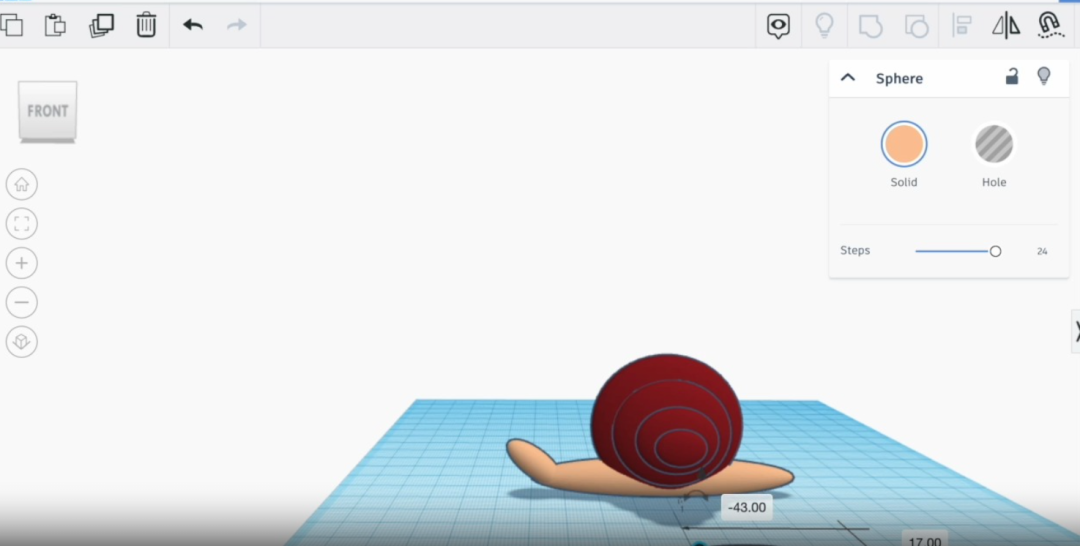
- Step 4 | Tinkercad Biomimetic Modeling — Perform meticulous 3D biomimetic modeling in Tinkercad, accurately recreating the snail’s unique spiral shell and radula structure in 3D space.
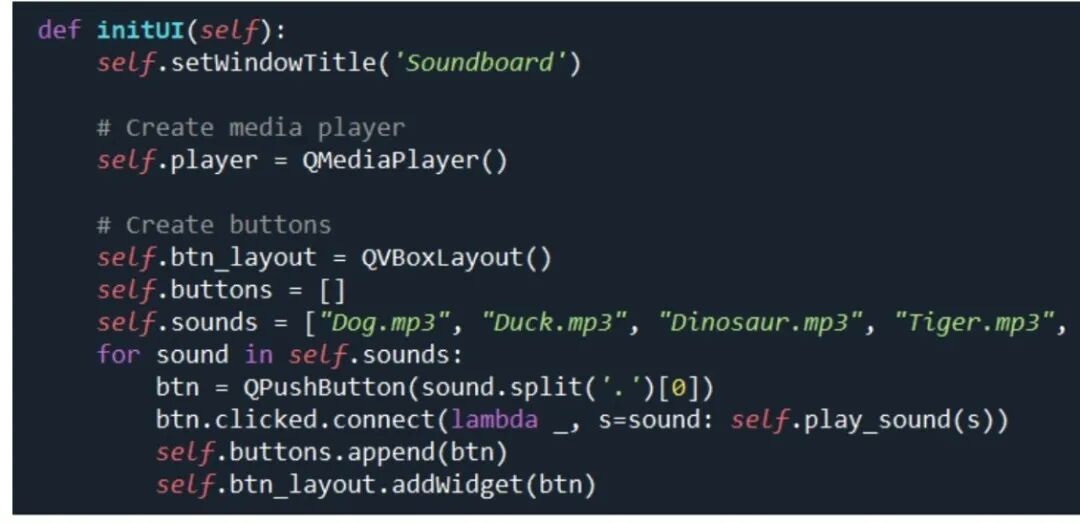
- Step 5 | Python Algorithm Development (Animal Soundboard) — Pure coding in action! Students use the native Python IDLE development environment and introduce the industrial-grade PyQt5 library to develop an “Animal Soundboard Controller” from scratch, complete with GUI and audio playback.
💡 At our AI Robotics Summer Camp, “Animals of the Earth” is more than just a biology class. Through science, AI tools, robotics engineering, 3D modeling, and coding (Python), we turn nature into a tech laboratory for children. Every child is not merely a passive recipient of knowledge, but a future Innovator!
Contact us to unlock a summer of academic success and technology for your child!
New East West Academy
6438 S Tenaya Way, Las Vegas, NV 89113
(702) 981-0576