
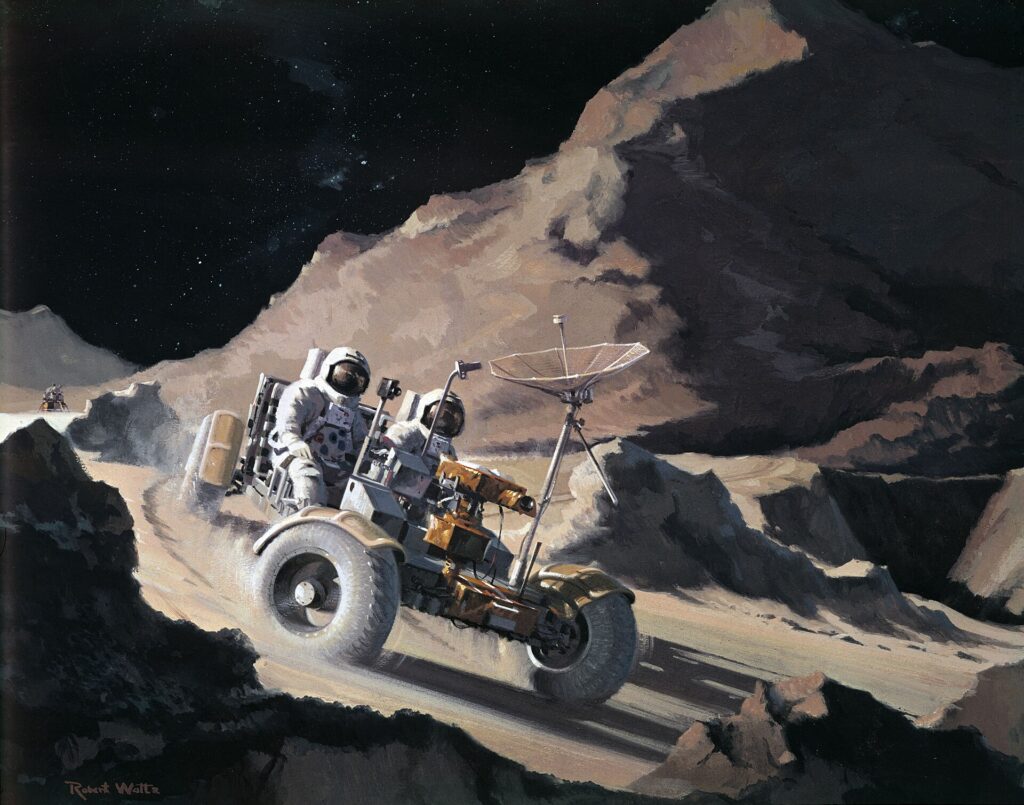
New East West Academy’s Magikid AI Robotics program launches its most ambitious competition pathway yet — the Lunar Base Challenge 2026-2027. This is an Advanced AI Robotics Elite Pathway for Grade 6+, designed for parents and future engineers of embodied AI systems, and purpose-built to prepare students for the CES International Signature Cup in Las Vegas (January 2027).
Build the Future on the Moon
The mission simulates complex lunar colonization tasks that demand tight multi-agent collaboration between autonomous rovers and robotic arms. Teams move materials, sort ores, position structural modules, and use AI-powered color recognition to track targets in real time — all while engineering hardware tough enough to survive fast, intense manipulation.
The Arena: Multi-Agent Collaboration & Full Autonomy
- Autonomous Rovers + Robotic Arms — seamless physical and algorithmic orchestration.
- Precision Tasks — moving materials, sorting ores, and positioning structural modules.
- Color Recognition — AI-powered real-time tracking of red blocks and environmental targets to perform high-stakes logistics.
- Robust Mechanical Design — hardware that must withstand fast movements and intense object manipulation.
Modern Match Formats: Pure Battle Arena
Two dedicated competition formats put maximum emphasis on real-world engineering skills:
- Manual Operation Battle — fast-paced driver control showcasing tactical movement and mechanical durability.
- Full Autonomous Battle — 100% code-driven match mode where AI algorithms make all tactical and spatial decisions.
- No Independent “Skills” Mode — the traditional isolated programming skills mode is completely replaced; the autonomous battle itself acts as the ultimate programmatic crucible.
- Direct CES Pathway — top-performing teams head straight to Las Vegas in January 2027 to compete globally.
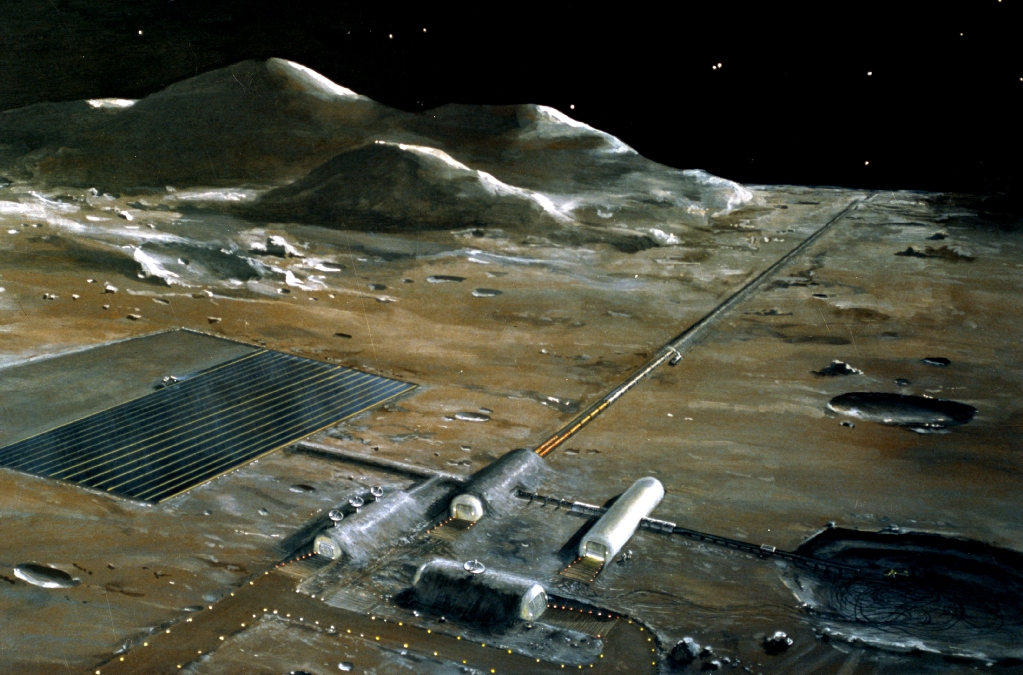
A Three-Stage Elite Pathway
Stage 1: Structural Prototyping & Mechanical Theory (Now – August)
The Efficiency Rule: theory and simulation over tedious physical building. MAGIKID optimizes student time by prioritizing advanced CAD simulation and structural analysis, with rapid physical verification on safe, modular kits.
- V5 Mechanics — Theory & Simulation (G6-12) — explore 30+ industrial and competitive engineering models (chassis, actuators, lift mechanisms), grasping the mathematical and physical formulas behind structural load and gear ratios in high-fidelity simulation.
- VEX IQ Robot Design (2nd Gen) — Rapid Prototyping — safely and rapidly build chassis, custom mechanical claws, and lift assemblies in the physical world to instantly test and iterate V5 design principles.
- Onshape CAD Foundation — Digital Twins (G8) — master professional cloud-based 3D modeling: register accounts, master sketching, feature modeling, and assemble basic digital twins.
Stage 2: Custom Engineering & Tactical Operations (September – October)
Students transition to professional robotic arms (e.g. Dobot Hero) and robust chassis platforms. To fuse these distinct systems together, they act as physical systems engineers — custom-designing brackets, connectors, and mounting hardware.
- Onshape CAD Advance (G8) — master professional CAD workflows including shortcut keys, accurate cross-section sketches, and design of fully customized, complex physical parts.
- 3D Printing & Physical Customization — export CAD designs to 3D printers; slice, print, and physically fit custom structural adaptors to securely mount robotic arms onto moving chassis.
- Tactical Coordination & Field Strategy — driver-control strategy for manual battle prep: study spatial logistics, field layouts, cycle times, and path routing to achieve rapid-fire material sortation scores.
Stage 3: Full AI Autonomous Programming & Collaboration (November – January)
In the final stage, we eliminate the drivers. Robotic agents must sense, think, communicate, and act completely on their own, deploying real-world AI models to orchestrate dynamic coordination between rovers and arms.
- Smart Sensors & AI (G10-12) — consolidate advanced perception skills: specialized sensor suites, depth cameras, GPS localization, NVIDIA AI developer boards, and ROS2 task programming.
- Humanoid — Open-Source Embodied AI (G4-12) — program world-class open-source robotic arms like LeRobot SO-ARM101 (collaboratively developed by RobotStudio & Hugging Face) and MechDog quadruped platforms in Python, connecting large language models (LLMs) and computer vision.
- Full Auto Multi-Agent Algorithms — autonomous multi-agent collaboration: code local inter-robot communication; rovers navigate path-finding coordinates, lock onto color targets, and signal robotic arms to perform precise, real-time pick-and-place tasks.
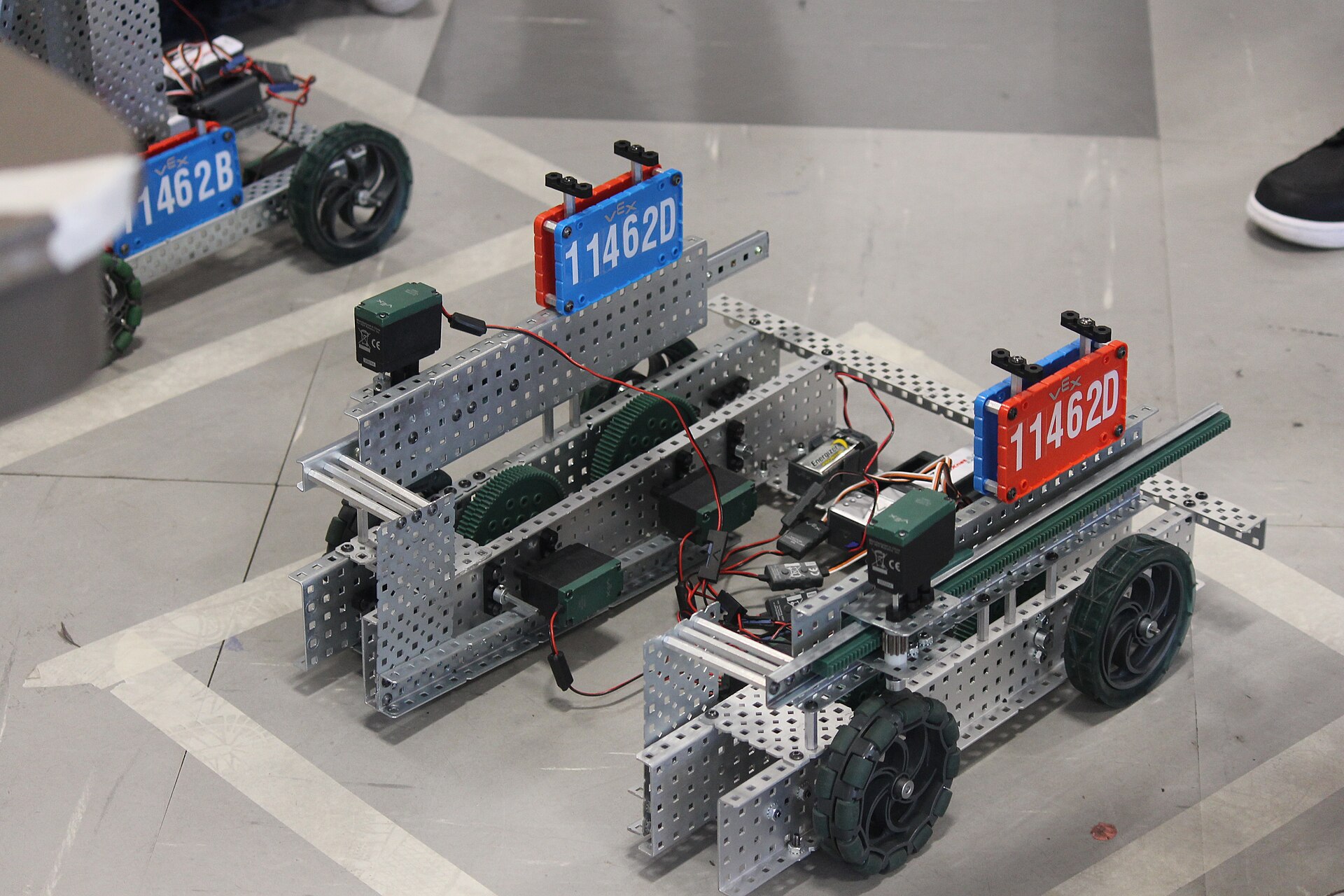
The 80/20 Rule: Time-to-Knowledge Efficiency
Many robotics programs waste months on manual assembly — tightening bolts, cutting aluminum bars, wiring basic connections. MAGIKID disrupts this slow, traditional model by focusing 80% of student cognitive effort on design, modeling, and elite algorithm logic, with only 20% on rapid physical verification.
| Feature | Traditional V5 Competitive Program | MAGIKID AI Robotics Elite Program |
|---|---|---|
| Primary Activity | Tedious metal assembly, manual hacksaw fabrication, and repetitive bolt-tightening. | High-level CAD simulations, Python AI algorithm design, and Onshape custom 3D printing. |
| Time-to-Value Ratio | Low efficiency. Over 70% of class time is spent on repetitive manual building tasks. | Hyper-efficient. Students build on top of verified VEX IQ mechanical configurations and Dobot Hero kits. |
The Destination: CES Las Vegas 2027
The CES International Signature Cup is held in Las Vegas alongside the world’s most influential technology event (CES — Consumer Electronics Show), giving students a global stage to showcase complex engineering breakthroughs.
- Global Engineering Standards — engage with competitive international teams solving the same tough autonomous challenges.
- Unmatched Resume Booster — showcase real-world capabilities in machine learning, ROS2, computer vision, and Onshape 3D modeling.
- Open-Source AI Alignment — aligned with global Embodied AI research standards, including the Hugging Face community.
- Real-World Skills — team coordination, high-pressure problem solving, and technical communication.
The College Portfolio Advantage
How top universities view this program:
- ✔ Direct Application of Embodied AI — proves the student works with cutting-edge Hugging Face LeRobot and NVIDIA hardware architectures, not just toys.
- ✔ End-to-End CAD Workflows — physical evidence of custom brackets designed in Onshape, 3D printed, and successfully field-tested.
- ✔ Algorithmic Competency — solid Python programming experience deploying computer vision and multi-agent communications.
Ready to build the future on the Moon? Join the Magikid AI Robotics Elite Pathway and help your child compete on a global stage this January.
New East West Academy
6438 S Tenaya Way, Suite 100, Las Vegas, NV 89113
📞 (702) 981-0576 · 🌐 www.neweastwestedu.com · ✉️ NewEastWestEdu@Gmail.com